BCM#4: WILLIAM GRANT STILL
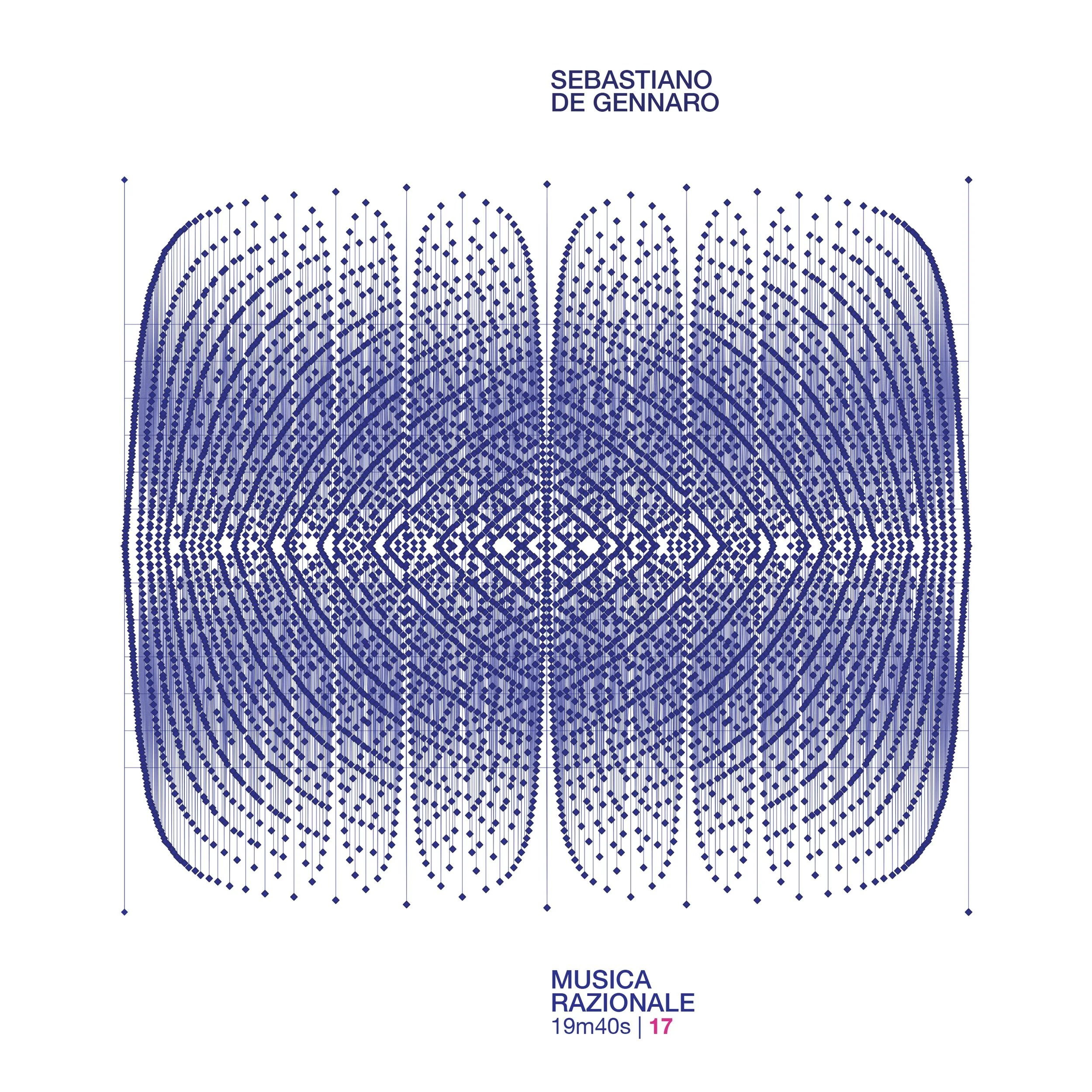
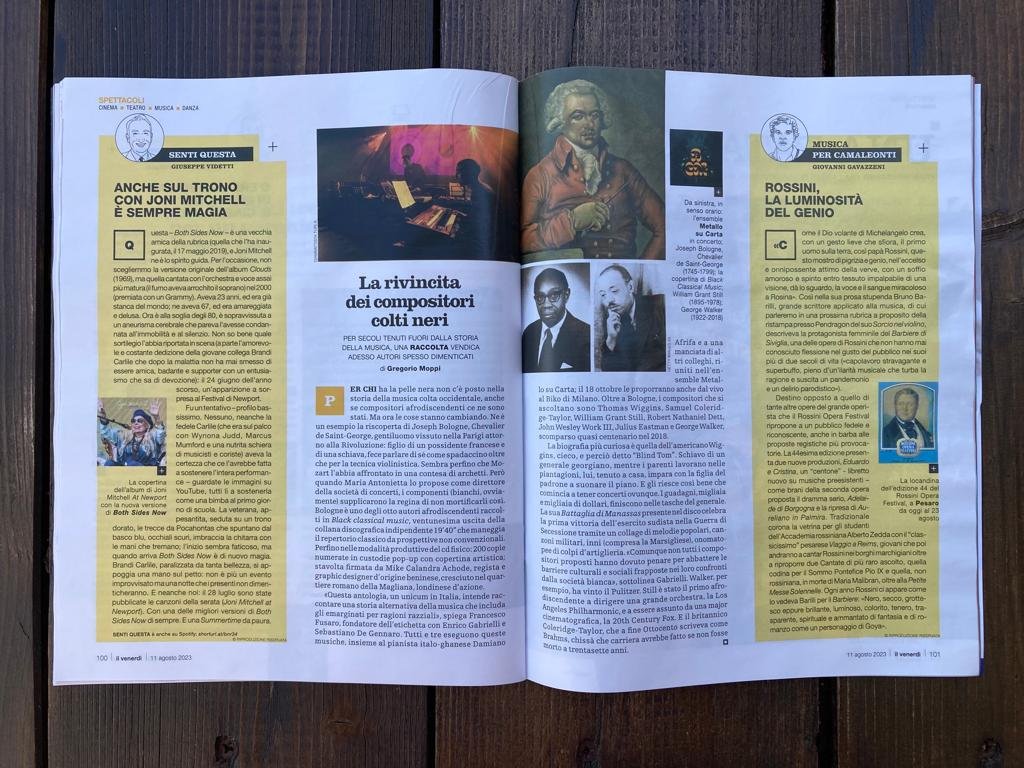
In August, Black Classical Music will be released, the twenty-first release by 19'40''. It includes works by Afro-descendant composers. In this series of articles, we tell the stories of the composers and their work.
WILLIAM GRANT STILL

William Grant Still was a prominent African-American composer and conductor who left an indelible mark on classical music.
Still’s compositions, spanning symphonies, operas, chamber music, and choral works, were characterised by a fusion of Western classical traditions and African-American musical elements. This unique blend showcased his rich cultural heritage, incorporating spirituals, jazz, and folk tunes.
In 1931, Still made history as the first African-American composer to have a symphony performed by a major American orchestra. His Symphony No. 1, “Afro-American Symphony,” premiered with the Rochester Philharmonic Orchestra, captivating audiences by incorporating blues themes and rhythms.
Beyond his musical achievements, Still made significant strides in breaking racial barriers. In 1936, he conducted the Los Angeles Philharmonic Orchestra, becoming the first African American to lead a major American orchestra. He also worked as the first African-American composer at 20th Century Fox in the 1940s, contributing to the film industry.
William Grant Still actively advocated for the recognition of African-American composers, making invaluable contributions to their inclusion in the classical music canon. His compositions often reflected the struggles and aspirations of African-Americans, serving as a catalyst for social change.
Summerland for piano (Arr. for alto sax and piano)
Summerland is the second of the Three Visions composed by William Grant Still for solo piano. It is also the only one that exists in a different form, as the composer turned it into a version for solo violin and small orchestra. Three Visions was composed for Verna Arvey, Grant Still's wife, who first performed this work in 1936. The composition is divided into three parts: the same melody introduces and concludes the entire movement, encompassing a central section where melody and counterpoint captivate the listener with its intensity and beauty. Catherine Parson Smith, an American writer who has followed Grant Still's work, states that "The harmonies in these Visions are strange," but we do not share the same opinion. Grant Still depicts the vision of paradise using harmonies that are extremely soft, deep, and rich, drawing from a blues and jazz-inspired sonic universe while also bearing the marks of his academic training. The melodic character of Summerland becomes even more apparent through the instrumentation chosen by Enrico Gabrielli.
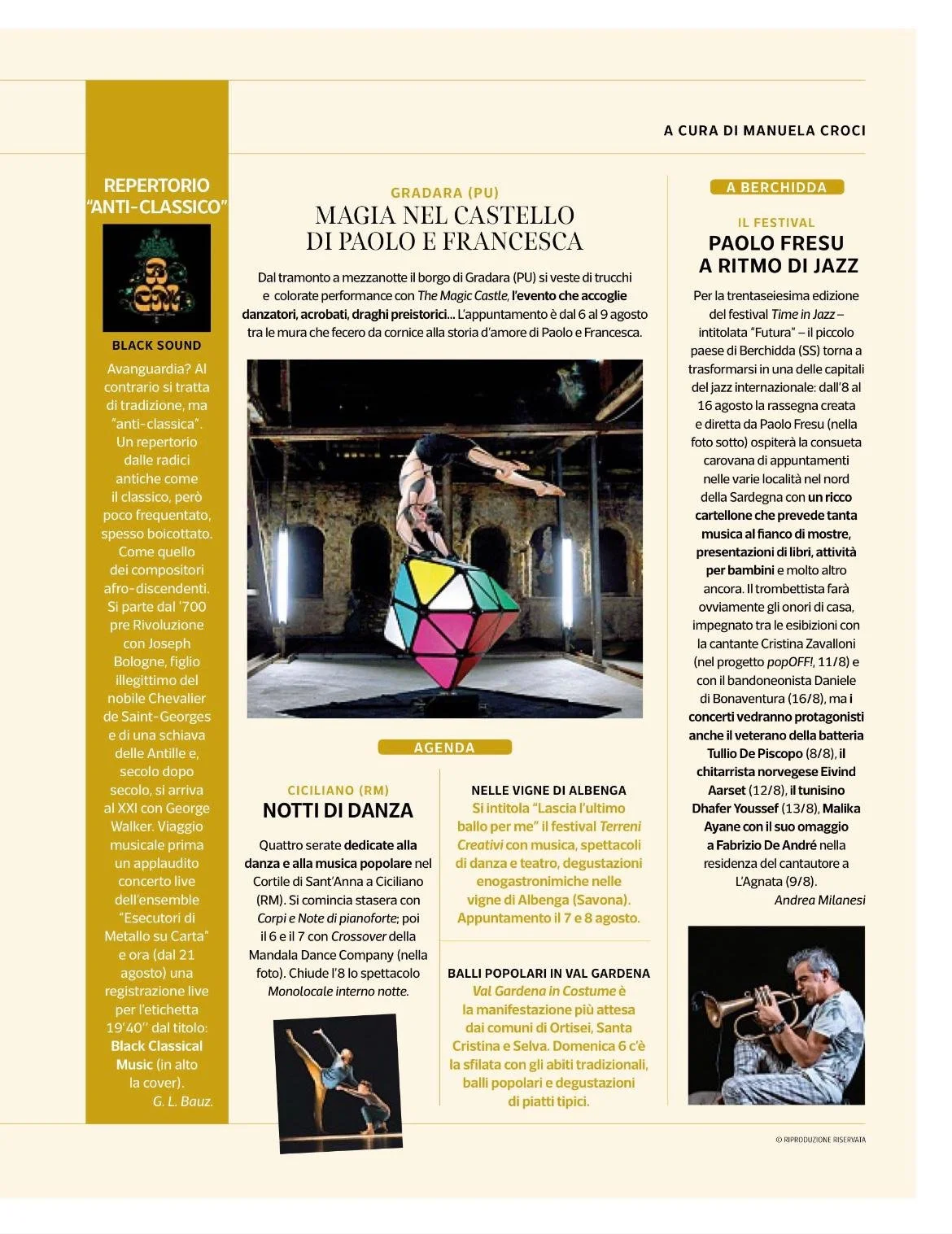
Black Classical Music on Sette by Il Corriere della Sera
Black Classical Music is featured in Sette by Il Corriere della Sera. Thanks to Gian Luca Bauzano.

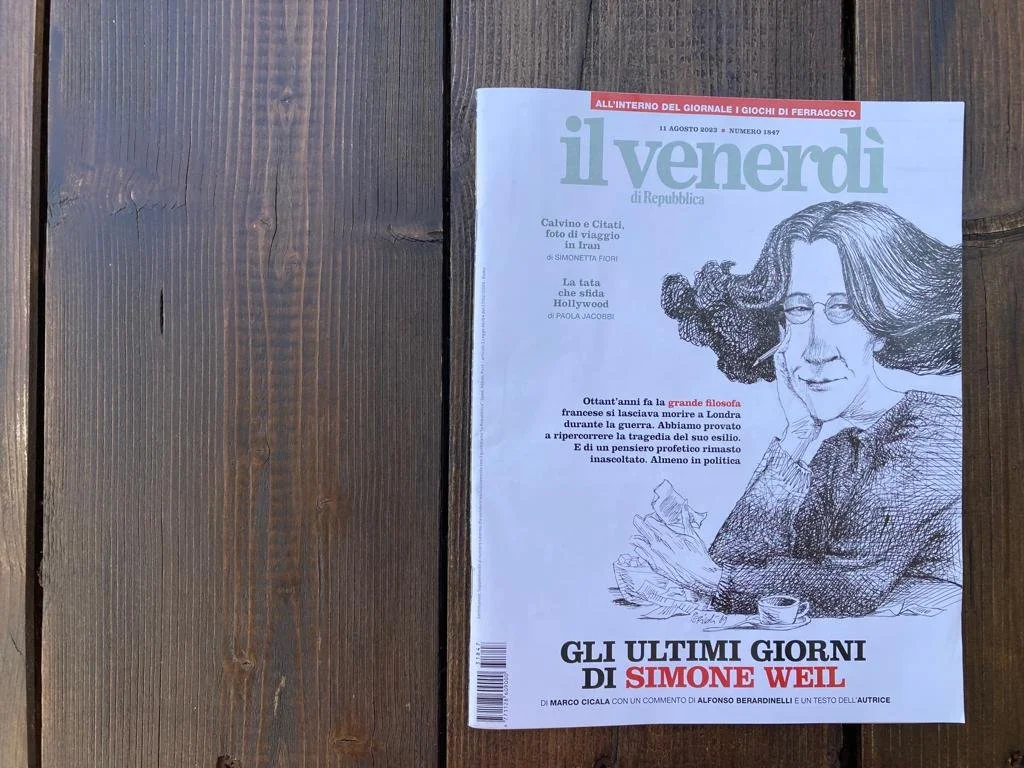
Black Classical Music on il venerdì di Repubblica
Black Classical Music is on il venerdì di Repubblica. Thanks to Gregorio Moppi.

BCM#3: SAMUEL COLERIDGE-TAYLER
In August, Black Classical Music will be released, the twenty-first release by 19'40''. It includes works by Afro-descendant composers. In this series of articles, we tell the stories of the composers and their work.
SAMUEL COLERIDGE-TAYLOR

Born in London in 1875 to a Sierra Leonean father and an English mother, Coleridge-Taylor's mixed heritage significantly shaped his musical perspective and personal identity. Raised by his mother and her extended family, he displayed exceptional musical talent from a young age.
Recognising his potential, his family supported his musical education, and he began studying at the Royal College of Music. There, he honed his skills as a violinist, but his compositional abilities truly set him apart. Coleridge-Taylor’s music drew inspiration from various sources, including African American spirituals, British folk melodies, and classical European traditions.
In 1904, Coleridge-Taylor embarked on a tour of the United States. His visit to America solidified his reputation as an internationally recognised composer and strengthened his connections with African American musicians and activists. Outside of his compositions, Coleridge-Taylor actively participated in the Pan-African movement, advocating for the rights and representation of black people. He embraced his African heritage and sought to elevate the status of black musicians and artists.
Tragically, his life was cut short when he succumbed to pneumonia in 1912 at 37. His legacy endures as organisations like the Black Cultural Archives in London strive to preserve his heritage and promote awareness of his significant role in shaping black cultural history.
Clarinet Quintet in F sharp minor, Op. 10
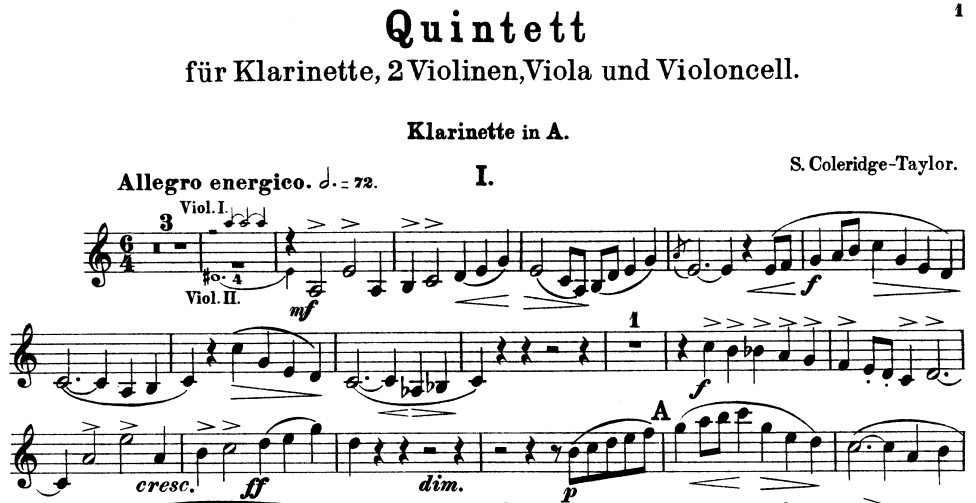
Clarinet, two violins, viola, and cello: Mozart had thought of inaugurating this unusual formation back in 1789. Over a hundred years later, starting in 1891, composers began systematically tackling the clarinet quintet: the turning point being Johannes Brahms' Op. 115. A few years later, in 1895, Samuel Coleridge-Taylor composed one of his early works: the Quintet for Clarinet and Strings in F-sharp minor, Op. 10, is of an almost staggering beauty. Coleridge-Taylor revealed himself to be one of the most promising composers of his generation. Unfortunately, the young musician was destined to die at the young age of 37, leaving behind a significant number of works, over eighty in total. Coleridge-Taylor's writing is highly mature and perfectly embedded within the European Romantic aesthetic in terms of form, harmony, and thematic material. The three movements presented here were recorded in Milan at the ContempoRarities Festival. The fourth movement, which was not performed, is omitted from the recording.

BCM#2: THOMAS 'BLIND TOM' WIGGINS
In August, Black Classical Music will be released, the twenty-first release by 19'40''. It includes works by Afro-descendant composers. In this series of articles, we tell the stories of the composers and their work.
THOMAS ‘BLIND TOM’ WIGGINS

Thomas Wiggins, also known as Blind Tom, was a remarkable 19th-century pianist and composer. Born in 1849, he was blind from birth and enslaved in Georgia. Despite no formal music education, he had a prodigious memory and could effortlessly play tunes he had just heard.
His extraordinary piano skills and versatile musical style garnered him fame as he toured extensively throughout the United States and Europe. Despite facing racism and discrimination, Wiggins captivated audiences incorporating classical, folk, and original compositions in his performances. Some of his original work was transcribed by a series of tutors who joined him on tour.
Though his annual salary as a touring musician was estimated at $100,000 at his peak, Wiggins was unable to fully benefit from his earnings due to his status as an enslaved individual. After emancipation, he continued to be in a dependent position, essentially serving as an indentured servant to Bethune, who eventually became Wiggins’ legal guardian.
He suspended his performing career for nearly two decades, from 1881 to 1904. During this period, he resided in Hoboken, New Jersey, under the care of his new guardian, Eliza Bethune, General Bethune’s son John’s widow.
He passed away on 13th June 1908 at 59.
The Battle of Manassas for piano (Arr. by S. De Gennaro for percussion and double bass)
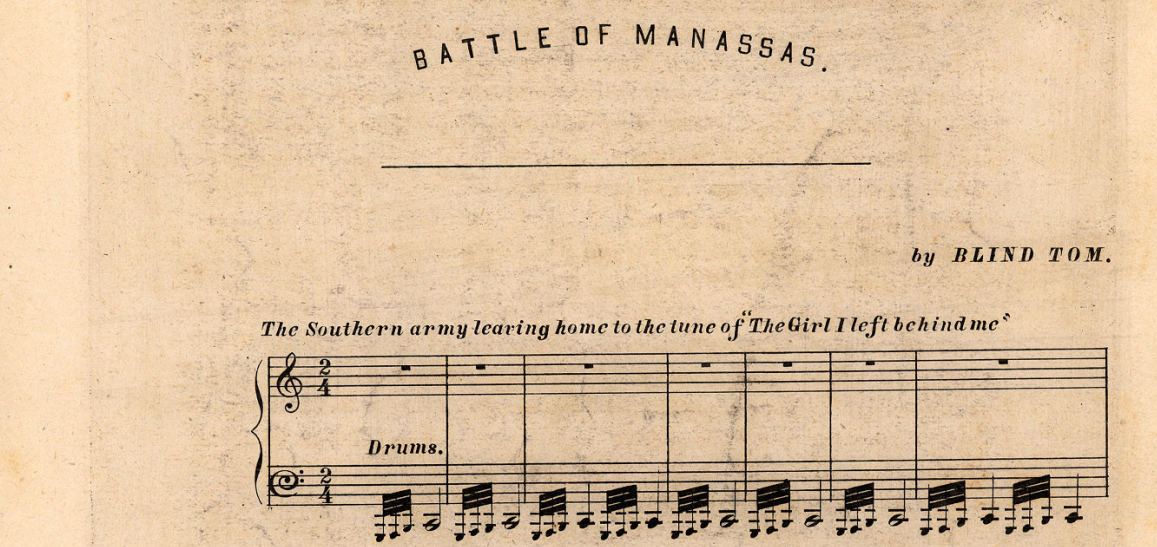
Assignment: Describe The Battle of Manassas by Thomas "Blind Tom" Wiggins in less than 1000 characters. Development: A 14-year-old African American slave, blind from birth, possesses the remarkable ability to reproduce entire musical compositions on the piano after a single listen. He channels this talent into composing a symphonic poem that recounts the significant first battle of the American Civil War. Astonishingly, Wiggins’ composition predates by several decades the innovative techniques embraced by early 20th-century composers. His pioneering use of Tonale Clusters, which would later be associated with ragtime and adopted by classical musicians such as Charles Ives and Béla Bartók, defies the conventions of his time. With a clever blend of popular melodies like "The Girl I Left Behind" and "Yankee Doodle," Wiggins injects a whimsical touch of programmatic music. Sebastiano De Gennaro, accompanied by Simone Beneventi, pushes the boundaries further by incorporating surprising sounds and blends. Meanwhile, Francesco Fusaro's voice, in harmony with Roberto Benatti's double bass, shatters the fourth wall, tearing the captions inserted by the composer from the silence of the printed page.

BLACK CLASSICAL MUSIC #01: JOSEPH BOLOGNE, CHEVALIER DE SAINT-GEORGE
In August, Black Classical Music will be released, the twenty-first album by 19'40''. It includes works by Afro-descendant composers. In this series of articles, we tell the stories of the composers and their work.
JOSEPH BOLOGNE, CHEVALIER DE SAINT-GEORGE

Joseph Bologne, Chevalier de Saint-George, was born in 1745 in Guadeloupe, a French colony in the Caribbean. He was the son of a wealthy plantation owner and an enslaved woman.
He received an elite education in France, excelling in academics, music, and fencing. He became a highly skilled violinist and composer, earning recognition for his virtuosity and innovative compositions. Bologne’s talent as a musician gained him entry into the court of King Louis XVI, where he performed and composed music for the royal family.
Aside from his musical pursuits, Bologne was an exceptional fencer, becoming one of the most celebrated swordsmen of his time. He trained and led a renowned fencing school, attracting students from all walks of life, including nobility and military officers.
As with many details of his life—now the subject of a film by Stephen Williams—a famous encounter with another music prodigy of his time, Wolfgang Amadeus Mozart, remains shrouded in mystery. When Mozart visited Paris in 1778, it is believed that he had the opportunity to witness Bologne’s exceptional musical talent firsthand. Impressed by his violin skills, Mozart allegedly proposed a musical contest to test their abilities.
Despite the scarcity of detailed documentation, it is generally accepted that the encounter between Bologne and Mozart took place. This meeting between two influential musicians of their time likely impacted both individuals and further contributed to Bologne’s reputation as a highly-skilled musician.
Bologne’s compositions span various genres, including symphonies, string quartets, and operas. Unfortunately, many of his works have been lost.
Sonata for keyboard with violin, Op. 1, No. 3 in G minor

Alberti bass, rapid succession of scales and arpeggios, a solid tonal framework, well-proportioned forms – all these elements seem to lead to the height of the classical period, those approximately fifty years of history that still – excessively? – encapsulate the entire repertoire of art music today. Joseph Bologne, Chevalier de Saint-George perfectly embodied the spirit of the era, both in music as in life. Mannerism, you say? Absolutely not. The classical style was the prevailing fashion, and its structural characteristics were the expression of a society, not an academic imposition or a mere exercise in music writing. The Sonata for keyboard with violin is divided into two movements: an Allegro in sonata form and a Rondeau gracioso [sic!].
Back to Radio Raheem
Francesco Fusaro was on Radio Raheem to present our next release, “Black Classical Music”, out on the 21st of August! Here you can find his guest slot, which also features the voice of Esecutori di Metallo su Carta’s Damiano Afrifa. Enjoy!
Francesco Fusaro, Radio Raheem, 26/07/2023, live
Abbiamo fatto un concerto davvero speciale!
Venerdì 24 Febbraio 2023 siamo andati al Teatro Munari per eseguire Sinfonia Casalinga di Sebastiano Cognolato. Il foto-racconto di Camilla Canalini racchiude le emozioni di un pomeriggio dedicato ai bambini!
Sinfonia Casalinga è un brano inclusivo e partecipato, sovversivo ed immersivo. I bambini hanno portato da casa dei veri e propri strumenti musicali realizzati da loro con materiali di riciclo. Insieme hanno preso parte ad un progetto unico ed irripetibile: l’incisione per la Universal di Sinfonia Casalinga (non è vero, eh!).

Sebastiano De Gennaro ha realizzato un set di percussioni unico: oltre a casse, tamburi, tamburelli, piatti, piattini e woodblock, Seba ha portato una enorme sospensione dal suono davvero straordinario.
“Era più di due anni che non costruivo un set: mi sono divertito un sacco a realizzarlo!” ha detto Seba mentre riempiva la moquette con una batteria improvvisata.

Gli Esecutori di Metallo su Carta si sono presentati con la medesima formazione di Call for Scores: Yoko e Camillo rispettivamente al violino e violoncello, si sono incontrati a quasi un anno di distanza dall’incisione della 18esima uscita di 19’40’’. Enrico, al clarinetto e clarinetto basso, era affianco a Carlotta Raponi, flauto traverso.

Maxine Rizzotto era al pianoforte… e che pianoforte! Al Teatro Munari si trovano infatti gli strumenti di Ten Pianos Street, una istallazione-concerto ideata da Cognolato nel 2013. Il pianoforte è stato accordato da Ulisse. Appena concluso il lavoro, Ulisse si è congedato dicendo “Ho dato una sistemata al registro grave: speriamo che tengano perché il piano è messo un po’ male”. Quarantacinque secondi dopo il sol della prima ottava è sceso di quasi un semitono.

Seba ed Enrico hanno esplorato la struttura del Munari e sono rimasti colpiti dal pianoforte all’ingresso del teatro. Abbiamo immortalato questo incontro con uno scatto straordinario.

Marcello Corti è riuscito a intrattenere per un’ora intera più di cento bambini leggendo indicazioni dettagliate da un foglio completamente bianco. Qualcuno ha sospettato qualcosa ma ci ha pensato Gabrielli a dire “ma perché è scritto con inchiostro simpatico!” Sempre per citare Enrico “Marce, sei il più grande imbonitore di bambini vivente!”

Sinfonia Casalinga è stata un’esperienza splendida: saremo di nuovo in concerto con lo stesso programma nel mese di Maggio con le scuole primarie di Paderno Dugnano. Per ora chiudiamo le note di Cognolato e ci prepariamo ad una trasferta in Sardegna.
Cosa?
Sì, in Sardegna.
Carnevale con gli Esecutori di Metallo su Carta al Buratto

Enrico Gabrielli e il Carnevale.
Gli Esecutori di Metallo su Carta tornano a Milano per fare musica dedicata alle piccole orecchie: al Teatro Bruno Munari, aka Teatro del Buratto, è in scena Sinfonia Casalinga di Sebastiano Cognolato.
Venerdi 24 febbraio alle ore 18.15 è in scena SINFONIA CASALINGA secondo appuntamento di Allegro Sostenibile, rassegna di concerti interattivi e partecipati per bambini e famiglie incentrato sul tema della sostenibilità e condivisone.
Il tintinnio di quelle posate della nonna, che solo tu sai far risuonare, o il suono misterioso dell’anfora portaombrelli; la nota acuta dello spazzolino elettrico o lo schiocco del posacenere di plastica. In ogni casa c’è una sinfonia nascosta che adulti e bambini intonano ogni giorno passando dalla cucina o dal bagno, uscendo di casa o rientrando, alzandosi al mattino o prima di andare a letto la sera. Metti il costume di carnevale, porta i tuoi oggetti sonori al concerto e suonali nella prima sinfonia originale per orchestra e oggetti di casa.
Sinfonia Casalinga è un divertimento in tre movimenti per orchestra da camera e oggetti domestici, musica di Sebastiano Cognolato, Marcello Corti direttore ed Ensemble Esecutori di Metallo su Carta. Il pubblico viene invitato a portare in teatro oggetti di casa che possano essere usati come strumenti musicali e partecipa all’esecuzione seguendo le indicazioni del direttore.
Gli oggetti possono essere i più vari: l’idea più fantasiosa viene premiata con un invito a teatro e con la partecipazione all’esecuzione sul palcoscenico, e quest’anno anche i costumi di carnevale più rumorosi (sonanti? Musicali? Fragorosi?) saranno premiati. Sinfonia Casalinga aiuta così i ragazzi a guardare ciò che hanno intorno in un’ottica di riciclo e sostenibilità.
Il concerto è a cura del Teatro del Buratto e Serate Musicali. Il progetto Allegro sostenibile si realizza con il contributo di Fondazione Banca del Monte di Lombardia e di Fondazione di Comunità Milano.
INFO E PRENOTAZIONI Tel. 02.27002476 - prenotazioni@teatrodelburatto.it - www.teatrodelburatto.it
La biglietteria del Teatro Bruno Munari è aperta con i seguenti orari:
Dal lunedì al venerdì dalle 9.00 alle 13.00 e dalle 14.00 alle 18.00
Sabato dalle 14.30 alle 18.30 Domenica dalle 10.00 alle 13.00 e dalle 14.30 alle 18.30
TEATRO BRUNO MUNARI Via Giovanni Bovio 5 | Tel. 02.27002476 - www.teatrodelburatto.it
MM3 fermata Maciachini o Dergano – Bus 70 Park auto coperto (ATM – a pagamento) adiacente al Teatro