
Federico Campagna e Francesco Fusaro: dialogo su "La favola della realtà"
Dopo aver incontrato Marina Benetti per parlare del suo lavoro per la sesta uscita speciale, "La favola della realtà", tocca ora a Federico Campagna e Francesco Fusaro raccontare la prima uscita di 19’40” pensata per Walkman e stereo.
I due si sono trovati in videochiamata da due ignote località europee e hanno discusso di meccanismi narrativi, di filosofia e religione, di favole per bambini e molto altro. Mettetevi comodi perché questo video vi terrà compagnia per un po’! ☕

Due appunti su “Mother Earth's Plantasia”
Che le piante siano, effettivamente, in grado di percepire il suono è un’acquisizione degli ultimi anni. Nel 2012, insieme a due colleghi, dimostrai che le radici delle piante erano in grado di percepire frequenze nell’intervallo fra 50 e 5000 Hz, rispondendo in maniera opportuna ai diversi suoni. I 200 Hz, ad esempio, rappresentando la frequenza sonora di picco nel suono dell’acqua corrente, piace moltissimo alle radici, che si dirigono verso la sorgente del suono senza indugio. Frequenze diverse, soprattutto quelle più alte, sono, al contrario, non molto gradite alle piante. Il suono delle vibrazioni delle ali degli insetti o dei loro richiami, di solito piuttosto acuto, è avvertito, infatti, dalle piante come pericoloso. La capacità delle piante di rispondere alle onde sonore nel loro ambiente è molto più diffusa di quanto pensiamo e numerose specie hanno sviluppato una serie di strategie per sfruttare il suono. Ad esempio, circa 20.000 specie vegetali diverse sono in grado di rilasciare il polline dai fiori solo quando sentono la corretta frequenza del suono prodotto dalle ali del proprio insetto impollinatore Su queste basi, non è sorprendente che in molti abbiano pensato ad una diretta influenza della musica sulla crescita delle piante.
Mother Earth's Plantasia è, senza dubbio, la realizzazione più straordinaria ed affascinante mai prodotta in questo senso. Warm earth music for plants... and the people who love them, è questo il sottotitolo del disco: musica per le piante e per chi le ama e Mort Garson ne era davvero convinto. Alla fine degli anni ’90 del secolo scorso, da giovane ricercatore, partecipavo ad un convegno sulla fisiologia delle piante a Edimburgo. Avevo appena parlato delle capacità di senso delle piante, fra i mugugni e la disapprovazione della maggior parte dei miei colleghi più anziani. Ero giovane e piuttosto abbattuto per le critiche ricevute, quando un signore, a me totalmente sconosciuto, mi si avvicinò per complimentarsi e per assicurarmi che il mondo vegetale era perfettamente in grado di apprezzare la musica: era Mort Garson. Si presentò come “musicista” e mi raccontò delle sue musiche scritte “per le piante”. Mi raccontò che aveva collaborato con dei botanici per la scrittura di Mother Earth's Plantasia e che gli effetti sulle piante erano indubitabili.
Qualche settimana dopo ricevetti in laboratorio un pacchetto contenente il suo disco e una gentilissima lettera in cui mi pregava di sperimentare le sue musiche sulle piante. Non l’ho fatto, mi sembrava una perdita di tempo. Ho anche perso nei traslochi lettera e disco. Non avevo alcuna idea di che razza di musicista fosse Mort Garson e della sua leggendaria carriera. Quando lo scoprii era troppo tardi (Garson è morto nel 2008) per fargli sapere che aveva ragione. Così, quando Enrico Gabrielli – co-fondatore di questa collana – mi ha scritto chiedendomi “due righe” su Mother Earth's Plantasia mi è sembrato di poter, in qualche modo, utilizzarle per ricordare quell’insolito incontro e per ringraziare Mort Garson della sua gentilezza e per la sua intuizione sulle capacità delle piante. Ascoltate questo disco insieme alle vostre piante e ne uscirete tutti più felici.
The notion that plants can effectively detect sound is a recent acquisition. Together with two colleagues of mine, I was able to demonstrate in 2012 that the roots of plants can perceive frequencies sitting between 50 and 5000 Hz, and respond to them accordingly. For instance, 200 Hz is a pleasant frequency for roots, as it represents the sound peak for a water stream, thus stimulating them to direct themselves towards that sound source. On the other hand, other—usually higher—frequencies are much less pleasant for plants. The vibrations of a bug’s wings, or their calls, which are usually high pitched sounds, is in fact perceived as dangerous by plants.
Plants’ ability to respond to the different sound waves of their environment is much more widespread than we think, and some of them have developed a set of strategies to exploit sound sources. For instance, 20,000 different species release their pollen only when they hear the correct frequency corresponding to the vibrations emanating from the wings of their selected pollinator.
On these premises, it shouldn’t surprise that a few people have supposed a direct influence of music on the growth of plants. Mother Earth's Plantasia, is without a doubt the most fascinating example of this way of thinking. Its subtitle reads Warm earth music for plants... and the people who love them: Mort Garson was truly convinced about this theory.
At the end of the 90s, I was a young researcher attending a panel on the physiology of plants in Edinburgh. I had just delivered a speech on the sensory abilities of plants, which was met with my older colleague’s disapproval, when someone I didn’t know came up to my disheartened self to share his compliments and confirm plants are absolutely capable of appreciating music played to them. His name was Mort Garson. He told me he was a musician and that he had written music specifically for plants, as he collaborated with some botanists on a project called Mother Earth's Plantasia. He was in no doubt that the effects of music on plants are noticeable.
Some weeks later, I received at my lab a parcel with his album and a nice letter inviting me to play his music to our plants. I didn’t do it, as I deemed it a waste of time. I even ended up losing both the letter and the album when I moved house. At the time, I didn’t know what an amazing artist Mort Garson was and what a legendary career he had. When I discovered about him, it was too late to let him know how right he was: he passed away in 2008. So when Enrico Gabrielli—the co-founder of this album series—got in touch to ask me a few words on Mother Earth's Plantasia I thought this could be the occasion to somehow remember that odd encounter and thank Mort Garson for his kindness and his intuition on the acoustic abilities of plants. I invite you to listen to this album together with your plants: you will all come out of it much happier.
Classical:NEXT 2017
Have you ever been to Rotterdam? Definitely less charming than Amsterdam, it has its own way to be interesting, particularly if you are into contemporary architecture and music. Think of Classical:NEXT, for instance: it's probably the biggest classical music conference at the moment, with tonnes of music industry representatives and artists coming together to discuss what's next (sorry) for the music we champion here at 19'40''. There was a wealth of interesting panels on music streaming services, the death of music journalism (RIP), the classical independent scene (hello!) and the so-called Neoclassical ("Bright new hope or load of kitschy crap?" was the interesting question there). And guess what, they had a decent array of performances, too! While we will admit the level of those wasn't as thrilling as that of the past edition, some of them are definitely worth a mention. Unfortunately, we weren't able to find the videos of original performances, except for Colombian trio Trip Trip Trip, so you'll have to vicariously enjoy them through some other stuff we managed to find online.
From crazy experiments by electric guitar quartet Zwerm to Breath & Hammer's (aka David Krakauer & Kathleen Tagg) blend of klezmer, bossa nova and avant-garde, through the aforementioned Trip Trip Trip, here's the best of Classical:NEXT 2017, according to 19'40''.
Mai visitato Rotterdam? Sicuramente meno affascinante di Amsterdam, sa essere a suo modo interessante, soprattutto se ti piace l'architettura contemporanea e la musica. Prendiamo ad esempio Classical:NEXT: si tratta probabilmente del più grande convegno di musica classica al momento, con un gran numero di rappresentanti dell'industria musicale e artisti provenienti da tutti i continenti, riuniti a discutere del futuro del repertorio che sponsorizziamo caldamente qui a 19'40''. C'erano un po' di conferenza interessanti sui servizi di streaming, la morte del giornalismo musicale (RIP), la scena classica indipendente (ciao!) e il cosiddetto genere Neoclassical ("Nuova speranza o ciarpame kitsch?" era l'interessante domanda del dibattito). E indovina un po', c'erano anche diverse performance da vedere in tutto questo! Sebbene il livello non fosse all'altezza dell'edizione precedente, alcune di esse vanno decisamente menzionate. Purtroppo non ci è stato possibile trovare i video originali dei concerti, a parte quello del trio colombiano Trip Trip Trip, perciò dovrai accontentarti di goderne indirettamente, grazie ad altro materiale che siamo riusciti a trovare in rete.
Dai pazzi esperimenti del quartetto di chitarre elettriche Zwerm al mescolamento di klezmer, bossa nova e avanguardia del duo Beath & Hammer (ovvero David Krakauer & Kathleen Tagg), passando per il già citato Trip Trip Trip, eccoti il meglio di Classical:NEXT 2017, secondo 19'40''.
Art Music v Sound Art
There's art music and then there's sound art, and this already too confusing, mainly because the two things don't really go well together. Actually, it seems more a case of the first happily ignoring the existence of the latter, which is a shame, because sound art has pushed the boundaries of what is to be considered music more than art music has, at least in the last 30 years. Yes, that's a bit of a statement, particularly if we take into account that, as a term, sound art has been used for the first time in the early 80s... But what is probably true is the fact that sound art has brought odd but fascinating music-making practices into art galleries and museums, while art music was (is?) struggling to see itself recognised as a legit art form. Another linguistic paradox here, sorry about that.
Even for the art world, though, sound art is still a bit of a novelty ("Wait, what? You can use your ears as a mean of aesthetic appreciation?"), and this fascinating article by Artnet News on the "Twelve Sound Artists Changing Your Perception of Art" is proof that there's a brave new world out there for you to be discovered. You, and the many sullen contemporary composers happily ignoring the sound in their art music.
C'è la musica d'arte e poi c'è la sound art, il che rappresenta già una bella fonte di confusione terminologica, principalmente per il fatto che le due cose non vanno sempre necessariamente a braccetto. O meglio, sembra più che altro che la prima sia ben felice di ignorare la seconda, il che è un peccato se si considera che proprio la sound art ha contribuito ad allargare i confini di che cosa si possa considerare musica più di quanto abbia fatto la stessa musica d'arte. Affermazione importante, non c'è dubbio, soprattutto dopo aver constatato che il termine sound art viene impiegato solo dall'inizio degli anni Ottanta... È vero però che proprio questa disciplina artistica ha contribuito a portare nelle gallerie e nei musei delle forme inconsuete (e alle volte bizzarre) di produzione musicale, mentre la musica d'arte faticava (fatica?) ad essere riconosciuta come una forma d'arte tout court. Un altro paradosso linguistico, pardon.
Persino per il mondo dell'arte, tuttavia, la sound art rappresenta tutto sommato una novità («Come dici? Si possono usare le proprie orecchie come strumento di apprezzamento estetico?»), e questo articolo di Artnet News intitolato "Twelve Sound Artists Changing Your Perception of Art" è la dimostrazione che c'è un mondo nuovo lì fuori che aspetta solo le tue avventure. Le tue, e quelle degli accigliati compositori contemporanei beatamente ignari del sound nella loro musica d'arte.
Gemme
If we said music has been quite slow in recognising the role of women in the development of the art of organised sounds, we would probably be quite close to the truth. Look from a distance and you will probably see a different picture than the one offered by literature, cinema or the fine arts, where women seem to have been praised for their endeavours for a longer period of time.
In the last years, though, the music establishment has tried to catch up with the other arts, and now feminism and music are hanging out more than ever. So, although the journey is very long, we should welcome every piece that could be added to the jigsaw, like the one conjured by our own Francesco Fusaro for the final episode of his show on Shoreditch Radio, Bar Italia.
Comprising eleven compositions by eleven Italian composers, Gemme was conceived for a Rockit mixtape series of the same name. The journey starts here, but the rest of it will be on you!
Se dicessimo che, rispetto ad altre discipline, gli ambienti musicali si sono dimostrati più lenti nel riconoscere il ruolo delle donne nello sviluppo dell'arte dei suoni, probabilmente non saremmo lontani dal vero. Cercando di osservare la questione dall'alto, infatti, otterremo una fotografia piuttosto diversa da quella offerta dalla letteratura, dal cinema o dalle arti, dove le donne sembrano essere state celebrate per il proprio contributo per un periodo di tempo ben più lungo.
Negli ultimi anni, tuttavia, l'establishment musicale ha cercato di colmare il divario che separa la musica dalle altre arti, e più che mai sembra di poter dire che femminismo e musica si muovano con una certa armonia. Quindi, sebbene il percorso sia ancora piuttosto lungo, dovremmo accogliere con piacere ogni pezzo che compone questo puzzle culturale tutto in divenire, come quello raccolto dal nostro Francesco Fusaro per la puntata conclusiva del suo show per Shoreditch Radio, Bar Italia.
Comprendente undici brani firmati da altrettante compositrici italiane, Gemme è stata realizzata per contribuire alla serie di mixtape di Rockit che va sotto lo stesso nome. Il viaggio comincia qui, ma il resto tocca a te!
C'è musica e musica
There was a time when you could watch Italian composer Luciano Berio (probably one of the sharpest mind to come out of the Peninsula) discussing the aesthetics of music on television. That was back in the 70s when people were so lovely naive to think that TV could educate and entertain... We are afraid those dancing days are gone, but at least we can sort of revive them through online streaming. C'è musica e musica is a wealth of music (and philosophical) ideas, thanks to a truly impressive array of guests: Elliott Carter, Karlheinz Stockhausen, Darius Milhaud, John Cage, Yannis Xenakis, John Tavener, just to name a few... What is the difference between popular and art music? What is the role of the audience in the process of music making? And of the composer? These and many other questions are debated in the twelve episodes of this must-watch series. As our man Enrico Gabrielli would put it, even students in schools should watch it...
C'è stato un tempo in cui ti poteva capitare di trovare Luciano Berio (cioè una delle menti più acute uscite dalla Penisola) che discute di estetica della musica in televisione. Ovviamente stiamo parlando degli anni Settanta, un periodo in cui le perosne erano così amabilmente naive da credere che quello il piccolo schermo possa educare, oltre che intrattanere... Temiamo che quei bei tempi siano belli che andati, ma almeno possiamo riviverli (circa) grazie allo streaming online. C'è musica e musica è un tesoro di idee filosofiche e musicali, e questo grazie anche ad impressionante lista di ospiti: Elliott Carter, Karlheinz Stockhausen, Darius Milhaud, John Cage, Yannis Xenakis, John Tavener, giusto per fare qualche nome... Che differenza c'è fra musica d'arte e popular? Qual è il ruolo del pubblico nel processo di creazione musicale? E quello del compositore? Queste ed altre questioni sono dibattute nei dodici episodi che compongono questa serie televisiva a dir poco fondamentale. Come direbbe il nostro Enrico Gabrielli, sarebbe da far vedere nelle scuole...
Introducing... Julius Eastman
Before we introduce you to Julius Eastman, we had to introduce ourselves to his music. Yep, this sentence is less silly that it might seem: if you think about it, you usually don't have to introduce yourself to Mozart, or Bach, because someone else has already forced their music in your ears through ads, ringtones, and background music on planes and lifts. This is obviously not the case with Eastman's music, and it is in a sense a disgrace because he has rightly been defined "the groundbreaking composer America almost forgot" (Guardian). A gay black soprano and composer with an attitude (he once upset John Cage by performing the latter's Song Books while undressing a man on stage and flirting with him in front of the audience), he died in poverty in 1990, leaving a trail of compositions behind him that musicologists and music enthusiasts are still unearthing.
There is a reason why he collaborated with (to name a few) Meredith Monk, Robert Wilson, and Arthur Russell: you just need to click play to find out.
Prima di poterti parlare di Julius Eastman, abbiamo dovuto incontrare per caso la sua musica. Se ci pensi, questa frase è meno scema di quanto sembri: non ti trovi infatti ad incontrare per caso la musica di Mozart o Bach, perché tanto te la spareranno nelle orecchie attraverso pubblicità, suonerie di cellulari, come sottofondo sugli aerei e negli ascensori. Così non è ovviamente per Julius Eastman, e forse è un peccato perché giustamente è stato definito «il compositore rivoluzionario che l'America ha quasi dimenticato» (Guardian). Afroamericano, gay, il soprano e compositore dalla personalità spigolosa (una volta fece arrabbiare John Cage a causa di una performance piuttosto osé dei suoi Song Books, condita da scambi di effusioni con un uomo nudo sul palco) morì inpovertà nel 1990, lasciandosi dietro una scia di compisizioni che musicologi e fan stanno ancora portando alla luce.
Eastman collaborò (fra gli altri) con Meredith Monk, Robert Wilson e Arthur Russell: la ragione ti sarà chiara quando cliccherai play qui sopra.
Kinky Wolfgang
One of the most enduring stereotypes about classical music is its detachment from the miseries of life. It is a repertoire linked with refined manners, ultimate erudition and some kind of mysticism: or so the story goes. Luckily enough, this is not always the case, and there is nothing like Mozart's music to prove our point.
We probably need to thank Czech director Miloš Forman for a different take on the life and music of Amadé. Before his Amadeus, the Austrian music prodigy was the quintessential antiquated composer: someone you had to study, rather than you enjoyed studying in your academic years. With all its exaggerations and historical inaccuracies, Forman's film unearthed the witty and exhilarating Mozart, and his kinky canons are a good example of the light-hearted (and sometimes caustic) side of his personality.
Let's take Difficile lectu as an example. The text reads Difficile lectu mihi mars et jonicu difficile, which doesn't make any sense in Latin. In fact, the phrase comprises two bilingual puns: lectu mihi mars, which would sound as leck du mi im Arsch ('lick my arse'), if sung with a Bavarian German accent (Bavarian tenor-baritone Johann Nepomuk Peyerl was probably the lead singer of the first performance of this piece); and jonicu, a word that turns into its cheeky Italian cousin cojuni ('balls, testicles'), if sung repeatedly.
It's actually a pretty enjoyable canon, so feel free to drop it at your next party and giggle by yourself like a creep.
Uno stereotipo piuttosto difficile da estirpare è quello che vuole la musica classica distante dalle miserie del quotidiano. Modi raffinati, vasta erudizione e una sorta di misticismo sono le caratteristiche associate al repertorio e a chi lo frequenta, giusto? Per fortuna non è esattamente il caso, e la musica di Mozart ci può facilmente aiutare a smontare il mito.
Dobbiamo probabilmente ringraziare il regista ceco Miloš Forman per aver cambiato idea su Amadé. Prima di quel successone che è stato Amadeus, infatti, l'enfant prodige austriaco era considerato la quintessenza della noia accademica: roba che ti toccava studiare, non che ti divertivi a studiare, durante la tua formazione musicale. Nonostante le sue inaccuratezze storiche ed esagerazioni, il film di Forman ha avuto il pregio di portare alla luce il Mozart acuto ed esuberante; i canoni 'osceni' di Amadé sonon a tutti gli effetti un ottimo esempio del lato leggero e persino caustico della sua personalità.
Prendiamo il caso di Difficile lectu. Il testo di questo breve canone recita Difficile lectu mihi mars et jonicu difficile, che in latino non vuol dire un granché... L'arcano è presto svelato: si tratta di un doppio gioco di parole basato sul tedesco e sull'italiano. La sequenza lectu mihi mars, infatti, suona come leck du mi im Arsch ('leccami il culo') se pronunciato con accento bavarese (Johann Nepomuk Peyerl, probabilmente uno dei cantanti della prima esecuzione del brano, era in effetti bavarese). La parola jonicu, invece, suona come il suo sboccato cugino italiano, se pronunciata ripetutamente (come in effetti accade nel canone).
Si tratta di un brano piuttosto piacevole, quindi ora sapete che cosa mettere al prossimo party in casa per ridervela da soli come dei viscidoni.
Kancheli - Liturgy
Funny that might sound, there are musicologists that can inspire composers and musicians some genuinely breathtaking music. If you are a musician sitting on the "we-don't-need-them-they-need-us" side, this incipit will probably make a lot of sense. If you don't have anything against musicologists, you won't have any prejudices about Giya Kancheli's Liturgy (Mourned by the Wind) either. And you shouldn't because we are talking about (mind the next words) an absolute masterpiece here.
So what's the story? Givi Ordzhonikidze, a scholar known for his work on Shostakovich, was on of Giya Kancheli's closest friends and a champion of the Georgian composer's music. He passed away in 1984, prompting Kancheli to write a Viola Concerto with Russian virtuoso Yuri Bashmet in his mind. The result requires a cathartic, 40 minute-long bath into self-controlled pain and consolation. Rocking between these two states of mind, Liturgy miraculously eschews the music clichés you would probably associate with the theme of loss and is proof of what sort of lucid mind Kancheli is. No wonder that the crowd at the Royal Festival Hall in London last week gave him a standing ovation at the end of a superb rendition of his masterpiece by Isabelle van Keulen (viola) and the London Philharmonic Orchestra masterly conducted by Vladimir Jurowski.
Now turn off your lights and phone and get in a pensive and meditative mood with Kancheli's Liturgy.
Magari ti farà strano saperlo, ma ci sono dei musicologi che possono ispirare a compositori e musicisti dei brani davvero straordinari. Sei sei un musicista di quelli che "non abbiamo bisogno di loro, loro hanno bisogno di noi", questo incipit ti suonerà più comprensibile. Se invece non hai nulla contro i musicologi, non avrai nemmeno dei pregiudizi nei confronti di Liturgy (Mourned by the Wind) di Giya Kancheli. E in effetti non dovresti, perché si tratta di (occhio) un autentico capolavoro.
Ma quale sarebbe la storia dietro a questa composizione? Nel 1984 muore Givi Ordzhonikidze, studioso noto per il suo esteso lavoro su Šostakovič, nonché amico intimo di Kancheli e suo fervente supporter. Il compositore georgiano decide così di tributargli un Concerto per viola ed orchestra, con il virtuoso russo Yuri Bashmet in qualità di solista. Il risultato richiede 40 minuti di immersione catartica nella pena e consolazione che la musica di Kancheli tiene lucidamente sotto controllo. Solo una mente musicale come la sua riesce infatti ad evitare i cliché che normalmente assoceresti al tema della perdita. Non è dunque un caso se il pubblico della Royal Festival Hall lo ha salutato con una standing ovation al termine di una superba performance di Liturgy con la viola di Isabelle van Keulen e la London Philhrmonic Orchestra condotta magistralmente da Vladimir Jurowski.
Ora è tempo di spegnere telefono e luci per entrare in uno stato pensoso e meditativo con Liturgy di Giya Kancheli.
5 Lessons on Music with Alessandro Solbiati
We will never hide the fact that we see 19'40'' as an educational platform. Call us pretentious and naive (we still live in a world dominated by turbocapitalism, don't we?), we would still think that the albums we release and the posts we publish on our blog should be seen as significant landmarks of your journey with us. In the next months (and years) we will try to bring you the most diverse, unpredictable and exciting music content you could expect from our large-scale project. This is why today we are really happy to introduce you to Alessandro Solbiati and his lessons on classical music for Radio 3, Rai's channel dedicated to art music, literature and politics.
It is probably safe to say that Solbiati is one of the most influential figures of Italian contemporary music. Born in 1956 in Busto Arsizio, near Milan, he studied composition with Sandro Gorli and Franco Donatoni, and he is currently teaching composition at the Conservatorio Giuseppe Verdi in Milan. In his lessons for Radio 3, Solbiati will take you through a journey encompassing the music of Ligeti, Nono, Berio, Ravel, Poulenc and Rachmaninov.
Our adventures through our music galaxy have just begun, keep on following us...

Non ti nasconderemo certo il fatto che dietro 19'40'' si celi anche un intento educativo. Certo, parlare di educazione oggi, nel regno del divertimento senza fine e della irrefrenabile soddisfazione di tutti i desideri (sì, stiamo parlando del tardocapitalismo), suona al tempo stesso pretenzioso ed ingenuo. Prendici come pretenziosi ed ingenui, se credi, ma sappi che noi vediamo ogni nostra uscita e ogni nostro post su questo blog come tappe di un viaggio che ti porterà nei prossimi mesi (ed anni) ad approfondire e scoprire un repertorio variegato, imprevedibile ed emozionante. Per questo oggi siamo molto contenti di presentarti le lezioni di musica che Alessandro Solbiati ha recentemente tenuto per Radio 3.
Nato nel 1954 a Busto Arsizio, Solbiati ha studiato composizione con Sandro Gorli e Franco Donatoni ed è attualmente docente di composizione presso il Conservatorio G. Verdi di Milano. Una delle più influenti figure del panorama musicale contemporeano in Italia, Solbiati ti farà ascoltare musiche di Ligeti, Nono, Berio, Ravel, Poulenc e Rachmaninov.
Le nostre avventure attraverso la nostra galassia musicale sono appena cominciate, continua a seguirci...

The twenty-seventh issue of our recording series presents Su Carta, a fully composed album by Francesco Fusaro for violin, clarinet, vibraphone, double bass, human voice and a TB-303 clone, reflecting on environment, memory, animals, and the act of composition itself. For more information on the music content, please visit here.
Price includes VAT. Delivery prices are available at checkout.
Subscriber Discount: If you are buying one or more copies of this item together with a subscription, or if you have already subscribed, please get in touch with us to redeem a discount on your purchase.

The twenty-first issue of our recording series takes a deep dive into the repertoire of classical Afro-descendant composers. For more information on the music content, please visit here. Price includes VAT. Delivery prices available at checkout.
Subscriber Discount: If you are buying one or more copies of this item together with a subscription, or if you have already subscribed, please get in touch with us to redeem a discount on your purchase.

The twentieth issue of our recording series pays homage to one of the most iconic compositions in European art music. For more information on the music content, please visit here. Price includes VAT. Delivery prices available at checkout.
Subscriber Discount: If you are buying one or more copies of this item together with a subscription, or if you have already subscribed, please get in touch with us to redeem a discount on your purchase.

The eighteenth issue of our recording series is the result of our first Call For Score. It offers a snapshot of the state of the Italian and international contemporary music scene. For more information on the music content, please visit here. Price includes VAT. Delivery prices available at checkout.
Subscriber Discount: If you are buying one or more copies of this item together with a subscription, or if you have already subscribed, please get in touch with us to redeem a discount on your purchase.

The very first issue of our recording series. For more information on the music content, please visit this page. Price includes VAT. Delivery prices available at checkout.
Subscribers Discount: If you are buying one or more copies of this item together with a subscription, or if you have already subscribed, please get in touch with us to redeem a discount on your purchase.

The second issue of our recording series is an Italian take on Stravinsky's original. For more information on the music content, please visit this page. Price includes VAT. Delivery prices available at checkout.
Subscriber Discount: If you are buying one or more copies of this item together with a subscription, or if you have already subscribed, please get in touch with us to redeem a discount on your purchase.

The sixth issue of our recording series is a live recording of the ensemble version of Holst’s masterpiece, arranged by Enrico Gabrielli. For more information on the music content, please visit here. Price includes VAT. Delivery prices available at checkout.
Subscriber Discount: If you are buying one or more copies of this item together with a subscription, or if you have already subscribed, please get in touch with us to redeem a discount on your purchase

The seventh issue of our recording series is a survey on the music of neglected electronic music pioneer Chino ‘Goia’ Sornisi. For more information on the music content, please visit here. Price includes VAT. Delivery prices available at checkout.
Subscriber Discount: If you are buying one or more copies of this item together with a subscription, or if you have already subscribed, please get in touch with us to redeem a discount on your purchase.

The eighth issue of our recording series is a retrospective journey through the catalogue of library and art music composer Paolo Renosto, aka Lesiman. For more information on the music content, please visit here. Price includes VAT. Delivery prices available at checkout.
Subscriber Discount: If you are buying one or more copies of this item together with a subscription, or if you have already subscribed, please get in touch with us to redeem a discount on your purchase.

The tenth issue of our recording series is an acoustic version for chamber ensemble of one of the greatest music oddities of 70s North America: Mort Garson’s album dedicated to our friends the plants. For more information on the music content, please visit here. Price includes VAT. Delivery prices available at checkout.
Subscriber Discount: If you are buying one or more copies of this item together with a subscription, or if you have already subscribed, please get in touch with us to redeem a discount on your purchase.

The eleventh issue of our recording series is a new arrangement of one of Karlheinz Stockhausen’s most famous compositions, “Tierkreis”. For more information on the music content, please visit here. Price includes VAT. Delivery prices available at checkout.
Subscriber Discount: If you are buying one or more copies of this item together with a subscription, or if you have already subscribed, please get in touch with us to redeem a discount on your purchase.

The twelfth issue of our recording series is dedicated to the genius of Bernard Hermman, with a focus on his music for the sci fi cult series The Twilight Zone. For more information on the music content, please visit here. Price includes VAT. Delivery prices available at checkout.
Subscriber Discount: If you are buying one or more copies of this item together with a subscription, or if you have already subscribed, please get in touch with us to redeem a discount on your purchase.

The fifteenth issue of our recording series is dedicated to the first 88 pages of a graphic notation classic, Cornelius Cardew’s Treatise. For more information on the music content, please visit here. Price includes VAT. Delivery prices available at checkout.
Subscriber Discount: If you are buying one or more copies of this item together with a subscription, or if you have already subscribed, please get in touch with us to redeem a discount on your purchase.

The sixteenth issue of our recording series is a collection of four works by Arvo Pärt, Florence Price, Giacinto Scelsi and Franco Battiato. For more information on the music content, please visit here. Price includes VAT. Delivery prices available at checkout.
Subscriber Discount: If you are buying one or more copies of this item together with a subscription, or if you have already subscribed, please get in touch with us to redeem a discount on your purchase.
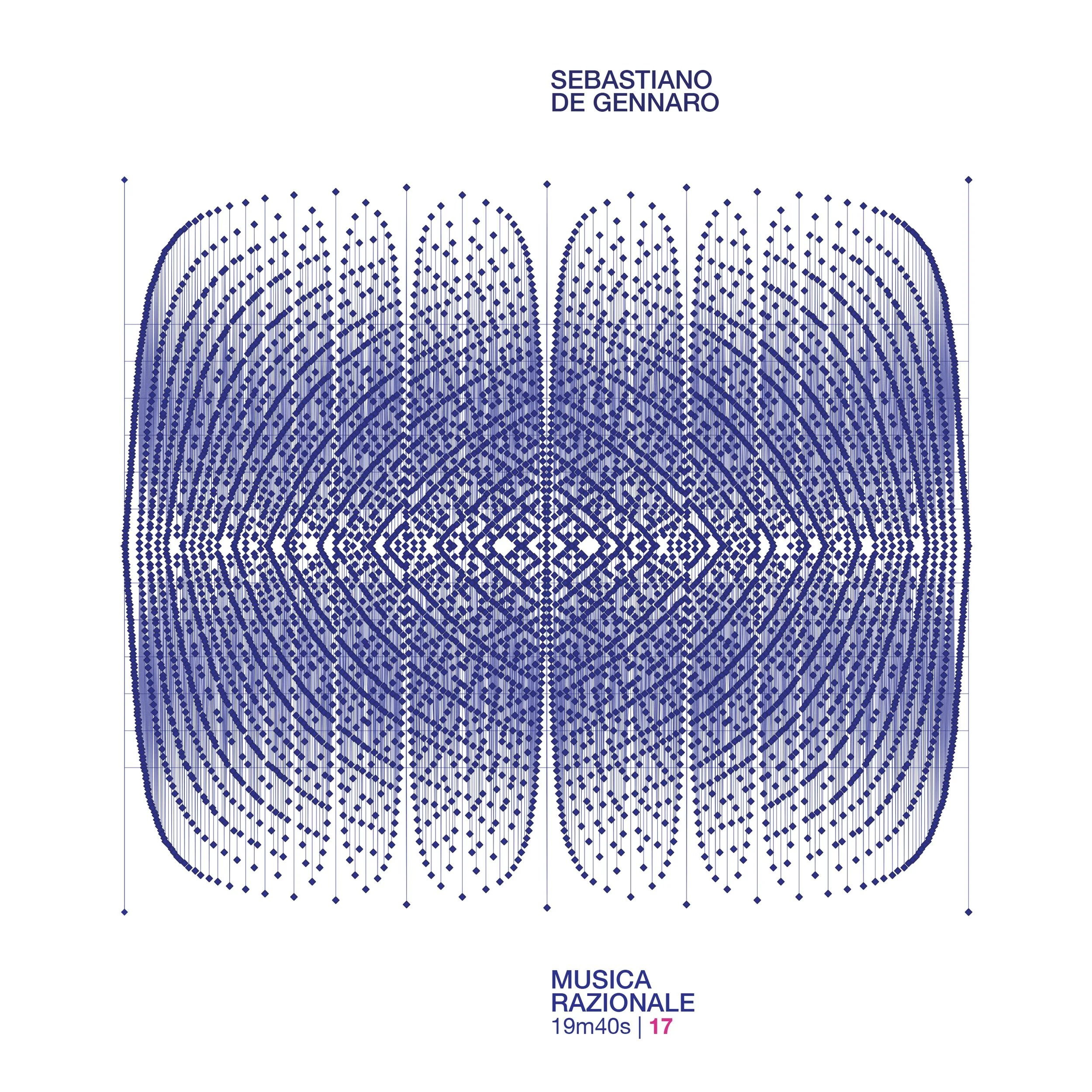
The seventeenth issue of our recording series is a collection of six original compositions by Sebastiano De Gennaro. For more information on the music content, please visit here. Price includes VAT. Delivery prices available at checkout.
Subscriber Discount: If you are buying one or more copies of this item together with a subscription, or if you have already subscribed, please get in touch with us to redeem a discount on your purchase.

For the first time, you can now aquire the original art created for our cover design. Created by Italian artist Annalisa “Nali” Limonta, who is also behind our beautiful “Plantasia” booklet and CD design, the artwork for our 18th release, “Call For Scores”, is now available in a unique piece for your personal collection.